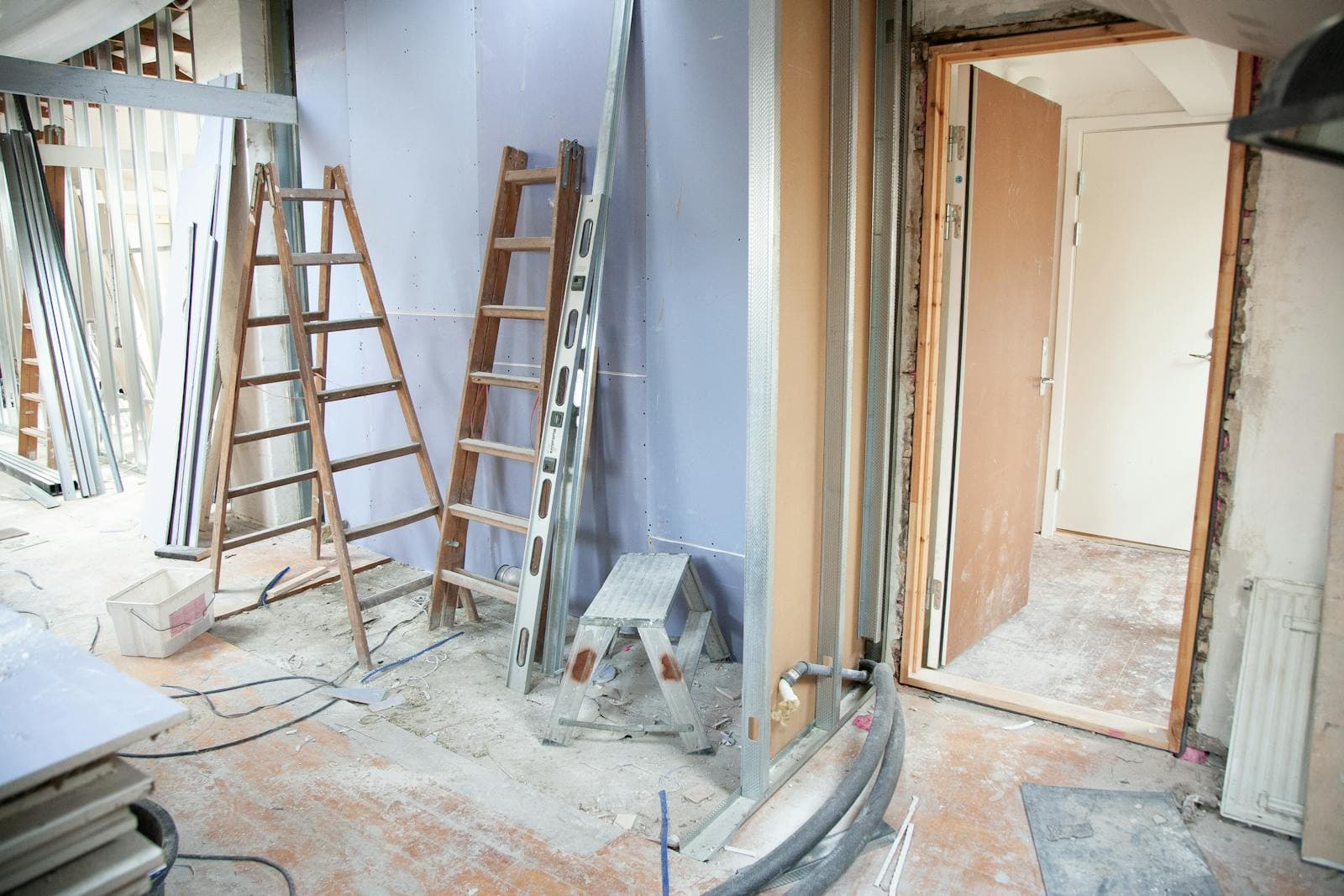
Suppose you win a job expecting a 20% gross margin. You do the work, invoice, and discover that the final margin is 8% — or nothing at all. That gap is an illustration of margin creep, not an industry-average loss.
Turn the research into a real quote
Start with one live job, build the quote pack, and keep the costs tied to the price. No card required.
Build first quote freeMargin creep is the slow erosion of the gap between what you quoted and what the job actually costs. It can begin with a pricing error, but it also happens when actual costs and scope changes are not visible while there is still time to act.
What Is Margin Creep?
Margin creep is the accumulation of small cost overruns that individually seem insignificant but collectively destroy your profit. It's not dramatic — it's death by a thousand cuts:
- Timber came in above the supplier price used six weeks ago
- The groundworks took an extra day because of unexpected clay
- You had to order more plasterboard than estimated
- The client asked you to "just move that socket" — twice
- Scaffolding hire ran three weeks longer than planned
None of these needs to be catastrophic in isolation. On a larger project, however, several missed costs can materially reduce the expected margin.
Why Spreadsheets Make It Worse
The standard approach: you build your quote in a spreadsheet (or estimating software), win the job, and then track costs in a separate spreadsheet — if you track them at all.
The problem with this approach is the lag. By the time you reconcile actual spend against the estimate, much of the work may already be committed or complete. Even if you can then see the loss, there may be little opportunity to change the remaining delivery.
The Three Types of Cost Overrun
1. Material price drift
You quoted timber at the price on the day you built the estimate. By the time you order, the price has moved. The Department for Business and Trade publishes monthly material price indices, and the category movements differ substantially, which is why a dated supplier price is more useful than a blanket inflation assumption.
Fix: Get current material prices when you quote, record their dates and validity, and make the quote-validity period clear. Any later price adjustment must follow the contract wording agreed with the customer and must not operate as an open-ended right to increase the price.
2. Scope additions that go uncharged
The client asks for changes. Small ones. "Can you box that pipe in?" "Actually, can we have a socket there instead?" Each individual request consumes labour and sometimes materials. If none is recorded or invoiced, the accumulated value becomes uncharged work.
Fix: Record every requested change, then price and obtain written approval before carrying out additional work wherever practical. The variation process should match the contract and explain any effect on price and completion.
Turn the research into a real quote
Start with one live job, build the quote pack, and keep the costs tied to the price. No card required.
Build first quote free3. Labour inefficiency
You estimated three days for first fix electrics. It took four. You estimated five days for plastering. It took seven because the walls were in worse condition than expected. Labour overruns are the hardest to control, but you can mitigate them by tracking daily rather than weekly.
Fix: Know your daily labour costs and log them. If you're tracking hours spent vs hours estimated, you'll see a labour overrun developing by day two — not day ten.
How to Track Margin in Real Time
A practical control for margin creep is comparing actual costs and approved changes with the accepted quote while there is still work left to manage. That means:
- Log every material delivery as it arrives on site — quantity, supplier, actual price paid
- Record labour hours daily and compare against your estimate
- Flag variations immediately — don't let uncharged work accumulate
- Review live margin weekly — at minimum — not at completion
If you can see your margin dropping in week two of a six-week job, you still have options. You can tighten up on material wastage, have a direct conversation with the client about scope additions, or adjust your approach to the remaining work. At week six, you have none of those options.
What a Healthy Margin Looks Like
There is no universal target margin that fits every UK builder or job type. First separate gross margin from net profit, then set the gross-margin target high enough to recover the business's real overhead and leave the required net profit after operating costs. Compare the target with completed-job results and revise future labour, risk, and overhead allowances using your own evidence.
QuoteBuild: Real-Time Margin Dashboard
QuoteBuild was designed specifically to solve the margin creep problem. When you build a quote, you set your target margin. As the job progresses, you log actual costs — materials, labour, subcontractors — and see your live margin update in real time.
If a cost category goes over estimate, you get a visual alert: amber for a warning, red for a problem. You know immediately, not in six weeks.
No more spreadsheet reconciliation. No more margin surprises at invoice time.
If margin creep is the problem you're trying to solve, see the margin dashboard or start on a flat monthly plan.
If builder jobs are where you lose the most margin, see the builder page or browse all trade pages.