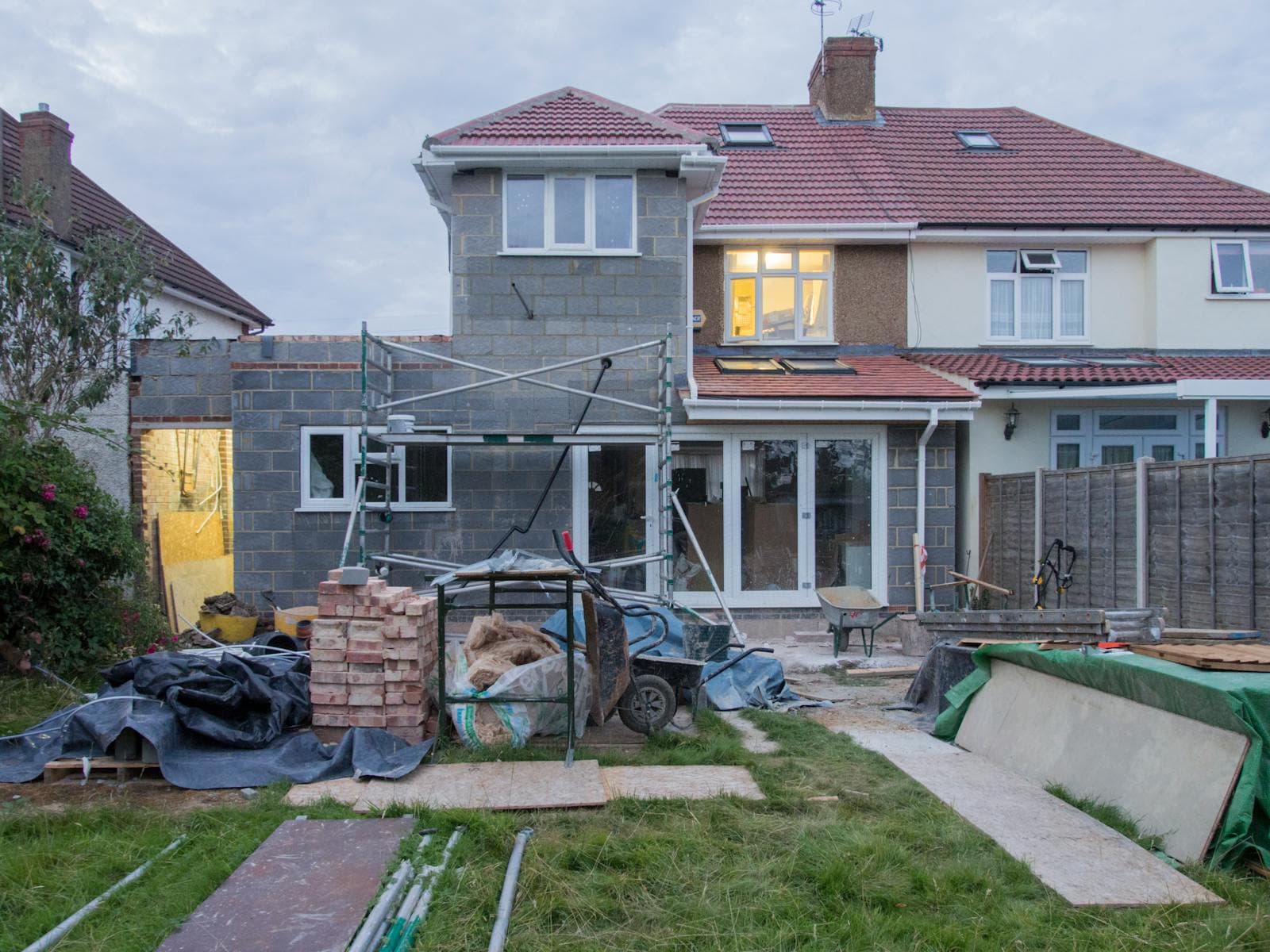
A good building quote has two jobs. It needs to help the client say yes, and it needs to protect you once the job starts. Most builders only focus on the first part. That is how they win work that later becomes awkward, underpriced, or full of unpaid extras.
Turn the research into a real quote
Start with one live job, build the quote pack, and keep the costs tied to the price. No card required.
Build first quote freeThe best quote is not always the cheapest. It is the quote that makes the client feel clear about the scope, confident about the process, and comfortable that you know what you are doing.
Start With the Outcome, Not the Spreadsheet
Before you list every material and trade, write a short plain-English scope. This tells the client what they are actually buying.
For example: “Construct a single-storey rear extension to create a larger kitchen and dining space, including foundations, shell, roof, first fix services, plastering, and second fix to agreed specification.”
This sounds basic, but it stops the quote looking like a random pile of numbers. The client can see the finished result before they start judging individual line items.
Break the Quote Into Real Job Sections
Clients do not need to see every screw, but they do need enough structure to trust the number. For a typical residential building quote, use sections like:
- Preliminaries, setup, protection, and waste
- Groundworks and foundations
- Drainage and external works
- Structural openings and steels
- Brickwork, blockwork, and shell
- Roof structure and roof covering
- Windows, doors, and external finishes
- First fix plumbing and electrics
- Insulation, boarding, plastering, and second fix
- Decoration, flooring, kitchen, bathroom, or client-supplied items if included
This helps you as much as the client. If the job later overruns, you can see which section caused the problem instead of staring at one big contract sum.
Make Inclusions and Exclusions Obvious
Quote disputes often begin with assumptions. You assumed painting was excluded. The client assumed it was included. You assumed standard white sockets. The client expected black nickel. Nobody was trying to be difficult, but the quote left too much room for interpretation.
Use a clear section called “Included” and another called “Not included unless agreed in writing”. Common exclusions include:
- Planning, building control, architect, and structural engineer fees
- Party wall surveyor costs
- Kitchen supply, appliances, sanitaryware, tiles, flooring, and decoration
- Upgrades from standard fittings
- Unexpected ground conditions, hidden structural defects, asbestos, damp, or rot
- Client changes after the quote is accepted
Turn the research into a real quote
Start with one live job, build the quote pack, and keep the costs tied to the price. No card required.
Build first quote freeDo not hide exclusions in tiny terms. Make them readable. Clear scope builds trust.
Show the Payment Schedule
A professional quote should explain how you expect to be paid. That is not pushy. It is basic job control.
For a larger job, avoid leaving too much money until the end. A simple schedule might be:
- Upfront stage agreed directly with the client to secure the start date
- Stage payment after foundations or structural works
- Stage payment after roof or watertight shell
- Stage payment after first fix
- Final balance after practical completion, less any agreed retention if you use one
The point is cash flow. If you are funding the client’s materials and subcontractors for weeks, you are quietly turning into a bank.
Explain Variations Before They Happen
Variations are not the problem. Unpriced variations are the problem. Your quote should say that changes to the agreed scope will be priced and approved before work is carried out.
This protects both sides. The client knows they are in control of extra spend. You know your team is not giving away free labour because someone made a casual request on site.
Do Not Apologise for Margin
A builder quote needs profit in it. Profit pays for risk, warranty, admin, call-backs, tools, vans, insurance, and the fact that you are responsible when something goes wrong. If your quote only recovers labour and materials, it is not a business quote. It is a wages calculation.
Price the job properly. Then present it calmly. A confident, well-structured quote often beats a cheaper quote that looks vague.
What to Send With the Quote
If the job is worth serious money, send more than a number. Include:
- A short scope summary
- The itemised quote by section
- Inclusions and exclusions
- Payment schedule
- Quote validity date
- Variation process
- Any assumptions you made from drawings or site visit
QuoteBuild is built around this workflow: build the estimate, send a clean quote, and keep the live job tied to the original numbers. If you want to tighten up your quote presentation, see how the quoting flow works or check the plans.