UK extension quote template and worked example
See how four build stages add up to a client price, then replace the allowances with your own.
Download a free extension quote CSV for UK builders. Follow a worked example from £60,000 in costs to £75,000 before VAT, or edit the stage allowances and markup.
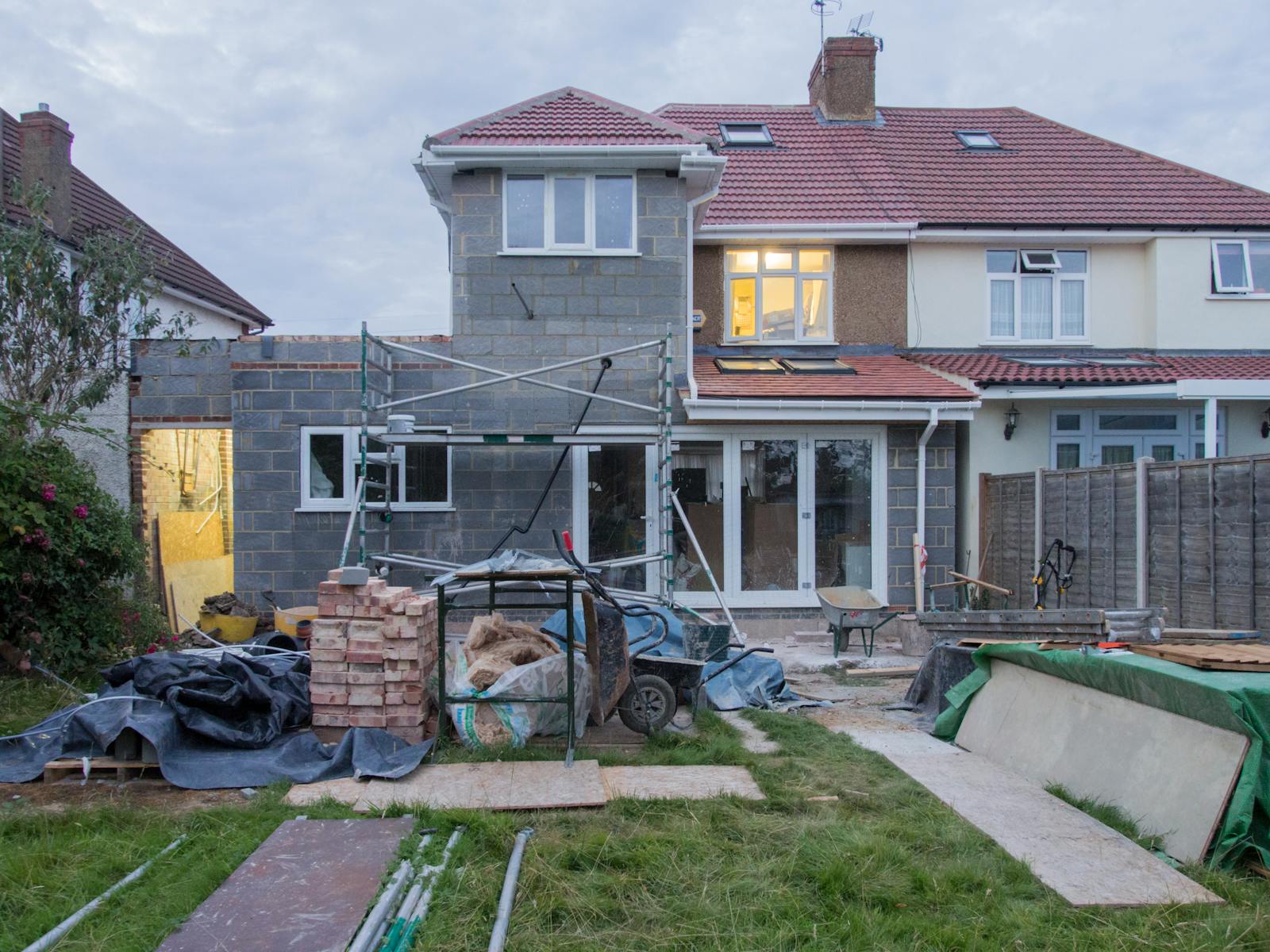
How do you prepare an extension estimate or quote?
List the work by stage, price each stage at your own rates and add your markup. In the fictional example below, £60,000 of costs plus 25% markup gives a £75,000 quote before VAT and a 20% gross margin. State the scope, exclusions, VAT treatment and payment milestones alongside the price.
Source note: Built from QuoteBuild quoting workflows for UK residential extensions. Confirm drawings, specifications, structural information, measurements, supplier prices, VAT treatment, access, ground conditions, and contract terms for the actual job.
Extension estimate example: turn cost into a selling price
The starting allowances are fictional. Replace them with measured quantities and current supplier or subcontractor prices for your job. The example excludes VAT and professional fees.
| Build stage | Allowance |
|---|---|
| Groundworks and structure | £36,000.00 |
| Roof, windows and doors | £14,000.00 |
| Services and finishes | £5,000.00 |
| Preliminaries, overhead and contingency | £5,000.00 |
| Total cost | £60,000.00 |
| Markup (25% of cost) | £15,000.00 |
| Selling price before VAT | £75,000.00 |
Gross margin before VAT is 20.0% of the selling price.
Start with preliminaries and scope
Record drawings, site setup, welfare, access, scaffolding, skips, protection, insurance assumptions, and who is responsible for approvals before pricing the build stages.
Separate groundworks and structure
Excavation, muck-away, drainage, concrete, masonry, steels, temporary works, and unknown ground conditions need visible allowances and assumptions.
Price the shell and roof
Break out walls, insulation, roof structure, coverings, rooflights, windows, doors, leadwork, rainwater goods, and interfaces with the existing house.
Allow for every trade
First fix, second fix, plumbing, electrics, heating, plastering, carpentry, decoration, flooring, kitchens, and bathrooms should not disappear inside a general labour figure.
Protect cash flow
Set payment stages against real delivery milestones so early materials, scaffolding, and subcontractor costs do not leave the builder funding the project.
Make changes chargeable
State exclusions, provisional sums, client-supplied items, quote validity, and the variation approval process before work starts.
What to do before you send the price.
Step 1
Write the scope, drawings, specification, assumptions, and exclusions.
Step 2
Break the project into preliminaries, groundworks, structure, shell, roof, services, finishes, and external works.
Step 3
Add labour, materials, plant, waste, access, subcontractors, overhead, contingency, and profit.
Step 4
Set VAT treatment, quote validity, stage payments, and variation terms.
Step 5
Review the final client quote against the drawings and latest supplier prices before sending.
Free CSV
Take your figures into a spreadsheet.
Edit the allowances and download a copy for your job.
Keep pricing the job properly.
Steel beam and knock-through quote template
Price the engineer, propping, steel, making good and payment stages for a knock-through.
Read guide
Free calculators and templates
Check labour and margin alongside the extension scope.
Read guide
Loft conversion quote template
Separate dormer structure, steels, stairs, services and finishes for a loft quote.
Read guide
Loft conversion cost calculator
Rough out a loft price by type and m² before the detailed quote.
Read guide
Garage conversion quote template
Price the infill wall, insulated floor, services and Building Control for a garage conversion.
Read guide
Use your own extension rates
Calculate and export an outline without an account; saved jobs require signup.
Read guide
Extension cost calculator
Sense-check an early extension budget before building the detailed quote.
Read guide
Builder quote template
Use the wider builder template for extensions, lofts, and refurbs.
Read guide
Extension cost per m² guide
Understand why an early square-metre check is not a final quote.
Read guide
How to price building work
Work from scope and direct costs through to overhead and margin.
Read guide
Quick answers.
Should an extension quote be itemised?
It should be structured enough to explain the price and protect the builder, even if every supplier line is not shown to the client.
Can QuoteBuild record staged payments?
Yes. Accepted quote totals can be turned into manual stage records so you can track what has been paid directly to you.
Is the extension quote template free?
Yes. You can edit the stage allowances and markup on this page and download the figures as a CSV without an account.
What should be excluded from an extension quote?
Common exclusions or assumptions include planning and professional fees, utility upgrades, unknown ground conditions, asbestos, client-supplied items, specialist surveys, and work outside the stated drawings and specification.
How should stage payments be set?
Tie stages to clear delivery milestones and expected cash outflow. The exact structure depends on the job and contract, but it should be agreed before work begins.